About Us
Krishi Vigyan Kendra,Ghatkhed
Krishi Vigyan Kendra, Ghatkhed (KVK Amravati-I) is a premier agricultural extension and technology dissemination center dedicated to the welfare and development of the farming community in Amravati district of Maharashtra. Established in 1995, the Kendra has been functioning under the aegis of Shramsafalya Foundation, Amravati, a reputed non-governmental organization founded by Hon’ble Mrs. Vasudhatai Deshmukh, former State Minister of Maharashtra. With a strong commitment to rural development and agricultural advancement, the Foundation has played a significant role in empowering farmers through education, innovation, and sustainable livelihood initiatives.
Situated in the Vidarbha region of Maharashtra, KVK Ghatkhed serves an area characterized predominantly by dryland agriculture and variable climatic conditions. Agriculture in this region faces numerous challenges, including erratic rainfall, soil degradation, pest and disease outbreaks, and fluctuating market conditions. In response to these challenges, the Kendra acts as a vital link between agricultural research institutions and farming communities by ensuring that the latest scientific technologies and proven agricultural practices reach farmers in a timely and effective manner.
The primary objective of Krishi Vigyan Kendra is to reduce the time gap between the generation of agricultural technologies at research institutions and their adoption at the farmers’ fields. Through on-farm testing, frontline demonstrations, vocational training programmes, and extension activities, KVK Ghatkhed evaluates and refines technologies under local conditions before recommending them for wider adoption. The Kendra focuses on enhancing productivity, profitability, and sustainability in agriculture and allied sectors such as horticulture, animal husbandry, dairy farming, fisheries, and natural resource management.
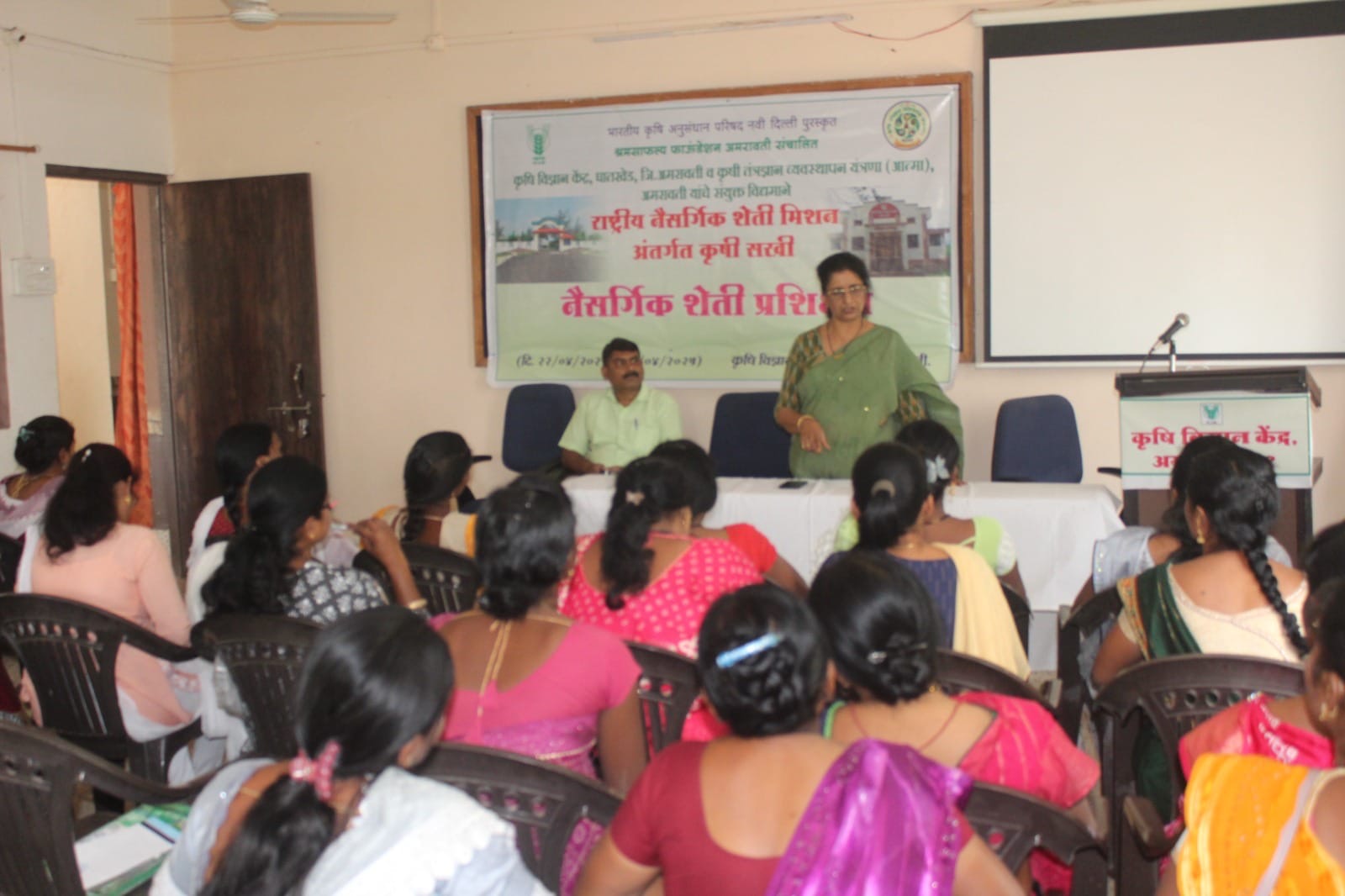
Over the years, KVK Ghatkhed has successfully organized numerous training programmes for farmers, rural youth, women entrepreneurs, and extension personnel. The Kendra regularly conducts field demonstrations, diagnostic visits, farmer-scientist interactions, exposure visits, Kisan Melas, awareness campaigns, and skill development programmes aimed at strengthening the knowledge and capacities of rural communities. Mobile advisory services, publications, and digital communication platforms further help in disseminating timely information related to crop production, livestock management, weather advisories, and emerging agricultural technologies.
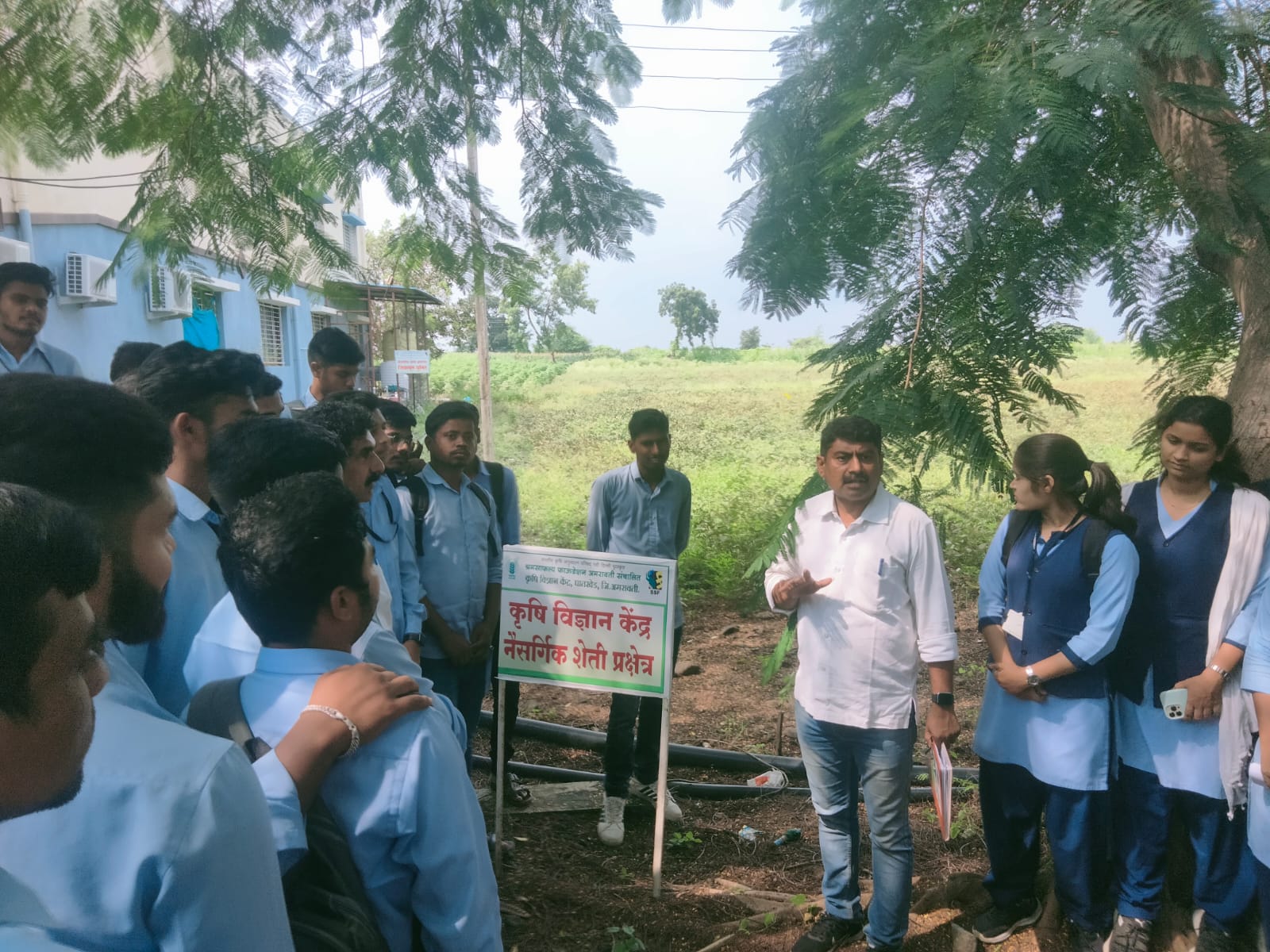
The Kendra also maintains demonstration units, soil and water testing facilities, nursery production units, bio-input production units, and livestock development programmes to provide practical learning opportunities for farmers. These initiatives support the adoption of climate-resilient, environmentally sustainable, and economically viable farming practices.
Guided by the principles of “Learning by Doing” and “Seeing is Believing,” Krishi Vigyan Kendra, Ghatkhed continues to serve as a catalyst for agricultural transformation in the region. Through continuous innovation, technology transfer, capacity building, and farmer-centric services, the Kendra remains committed to improving agricultural productivity, enhancing rural livelihoods, and contributing to the sustainable development of the farming community in Amravati district and the wider Vidarbha region.
KVK Mandates
Krishi Vigyan Kendras (KVKs) are district-level agricultural extension institutions established to bridge the gap between agricultural research and its practical application at the farmers’ field. The core mandate of KVKs is Technology Assessment and Demonstration for its Application and Capacity Development (TADA-CD). Through on-farm testing, frontline demonstrations, training programmes, and extension activities, KVKs assess, refine, and promote location-specific technologies developed by research institutions. They work closely with farmers, rural youth, and extension personnel to enhance agricultural productivity, profitability, sustainability, and livelihood opportunities while ensuring the effective transfer of scientific knowledge and innovations to rural communities.